Testing Anileba Font for Your Crafting Business
I was hunched over my desk, the glow of my monitor illuminating a dozen different candle label mockups, when I finally settled on a direction. My latest seasonal blend, a cozy “Cedar & Lavender” scent, deserved packaging that felt both rustic and refined. The clean, minimalist fonts I usually default to weren’t capturing the handmade warmth I wanted. That’ s when I remembered a recent font download—Anileba. Dropping it in as the product name transformed the entire design. Suddenly, the label had character. It felt alive, artisanal, and perfectly imperfect, just like the candle inside the jar. It was that moment of genuine delight that made me want to put Anileba through its paces for all sorts of maker projects.
The Handmade Charm of This Brushed Display Font
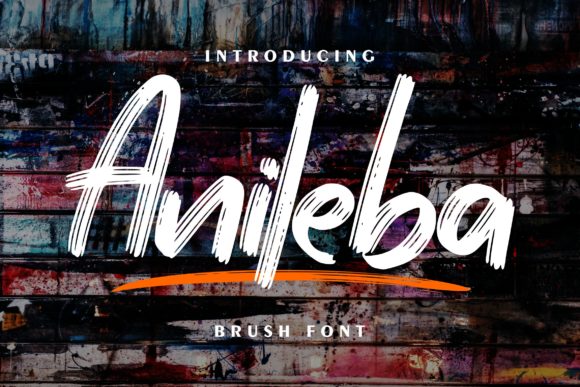
So, what is Anileba? In technical terms, it’s a bold, brushed display font. But in practice, it’s a burst of organic personality for your projects. The brush strokes have a beautiful, natural variation—thicks and thins that feel authentically hand-painted, not digitally sterile. This isn’t a fussy, overly delicate script. It’s confident and clear, yet brimming with a crafty charm that immediately signals something special. The mood is warm, creative, and approachable. It works beautifully for anything that needs a touch of human-made magic, from wedding stationery to a simple product tag for your small shop.
I’ve tested Anileba across a range of physical and digital outputs, and its versatility for makers is impressive. Here’s a breakdown of where it truly shines:
- Labels & Packaging: This is where it became a hero for me. On candle jars, soap boxes, and honey tags, Anileba for the product name elevates the perceived quality instantly. It makes a boutique product look considered and custom.
- Greeting Cards & Invitations: Whether it’s a bold “Happy Birthday” on a card or the elegant “Save the Date” on a wedding suite, the font adds a tactile, artistic feel even before the ink hits the paper.
- Wall Art & Printables: For digital downloads like farmhouse-style quotes or minimalist planner covers, Anileba provides that key focal point. It’s strong enough to stand alone as a statement.
- Merchandise & Apparel: I used it for a simple “Maker’s Studio” design on a tote bag mockup, and the brushed texture translated wonderfully, giving the design a soft, wearable feel.
- Shop Branding: Using Anileba consistently for your shop name across your Etsy banner, social graphics, and packaging creates a cohesive, memorable brand identity that customers start to recognize.
Readability and Practical Application Tips
Because we’re dealing with real products, readability is non-negotiable. Anileba, as a display font, is designed for impact at larger sizes. For a candle label, I’d use it prominently for the scent name, but pair it with a clean, simple sans-serif font for the smaller details like weight, ingredients, or safety warnings. This creates a perfect visual hierarchy.
For cutting machines like Cricut or Silhouette, it performs well. The bold strokes mean weeding vinyl is generally straightforward, and the characters hold their shape even at moderate sizes for stickers or shirt designs. However, I’d avoid using it for extremely tiny text—think the fine print on a perfume label or a line of disclaimers. The brush texture can fill in when scaled down too small, reducing legibility. Its sweet spot is for titles, short phrases, names, and decorative wording that you want to pop.
Speaking of pairing, this is key to a professional look. Anileba’s expressive nature needs a calm partner. I’ve had great results pairing it with:
- A clean, geometric sans-serif (like Montserrat or Poppins) for body text and details.
- A simple, classic serif font (like Playfair Display) for a more editorial, wedding-invitation feel.
- A complementary thin script font for secondary accents, creating a lovely layered typography style.
Considering Your Project Scope and Licensing
Before you commit Anileba to a big run of wedding invitations or a new product line, do a thorough test with your specific materials. Print a sample on the actual cardstock you’ll use. Preview your sticker sheet design at 100% scale on screen. Does the texture still read clearly? For digital items like wall art printables, ensure it looks sharp in the preview images potential customers will see in your shop listings—this is their first impression of your product’s quality.
It’s also crucial to check the font’s included features and licensing. Before using any font for physical products you sell or digital files you distribute, verify the license covers commercial use. Look at the glyph set—does it include the special characters, alternates, or multilingual support you might need? Some font files include stylistic alternates that can give you even more customizability, like swapping out a standard letter for one with a more decorative swash. Investing in a well-crafted, commercial-use font saves headaches down the line and supports fellow creatives.
Where Anileba Fits in a Maker’s Toolkit
In the end, Anileba isn’t a Swiss Army knife font for every single line of text. It’s a specialty tool, and a fantastic one. It won’t be the font for your product’s instruction manual or the dense “About Us” paragraph on your website. But for that moment when you need to inject soul, craft, and standout personality into a design, it delivers. It bridges the gap between digital design and the tangible, handmade feel we all strive for in our creations.
From that initial candle label to the wedding welcome sign mockup I tried later, Anileba consistently brought a warm, original voice to the project. It has that rare quality of making a design feel both contemporary and timelessly crafted. If your brand or next project leans into authenticity, artisan quality, or creative warmth, this display font is absolutely worth testing in your own real-world mockups. You might just find, as I did, that it becomes the perfect accent for telling your product’s story.